


-

Add: HeBei ShengShi HongBang Cellulose Technology CO.,LTD.
-

Email
13180486930@163.com -

CONTACT US
+86 13180486930



Rubber anti-tack powder plays a critical role in the rubber manufacturing industry . Its application ensures that rubber components do not stick together during processing, thereby enhancing production efficiency and product quality. After years of working directly with industrial manufacturers and conducting thorough research, I’ve gained substantial insights into how to optimize the use of rubber anti-tack powder, making this information highly authoritative for businesses seeking reliable solutions in their manufacturing processes. Rubber components inherently exhibit tackiness due to the presence of polyisobutylene and other polymers. Tackiness presents a challenge in production environments where rubber sheets or molded items need to be separated smoothly. The use of anti-tack powdered agents offers a pragmatic and highly efficient solution to this problem. My expertise underscores that choosing the right anti-tack powder is not just about preventing adhesion but also about enhancing the overall efficiency and sustainability of the manufacturing process. To achieve optimal results with rubber anti-tack powder, it's crucial to consider the specific properties of the rubber material in use as well as the conditions of the manufacturing environment. Different powders have varying levels of compatibility with different rubber compounds, which can directly impact product performance and integrity. In our extensive experience, talc-based powders have shown excellent results in most general-purpose applications due to their fine particle size and thermal stability. However, silica and calcium carbonate-based powders also offer significant advantages, especially in high-temperature applications. Adopting the appropriate application techniques is another cornerstone of maximizing the benefits of anti-tack powders. Automated powder coating systems can provide uniform application, reducing waste and ensuring even distribution, which manual application methods often fail to achieve. Proper application not only enhances the efficiency of the separation process but also minimizes potential inconsistencies in the end product quality. Moreover, integrating rubber anti-tack agents into your production line makes a notable difference in operational throughput. By preventing the adhesion of raw rubber sheets, production downtime is minimized, leading to consistent output levels. This is particularly beneficial in large-scale operations where prolonged sticking can impede production flow and affect overall profitability. rubber anti tack powder From an environmental perspective, the right selection of rubber anti-tack powder aligns with sustainability goals. Many modern anti-tack agents are formulated to be eco-friendly, reducing the environmental impact of manufacturing waste. When consulting with suppliers, prioritize products that are biodegradable or made from natural sources to fulfill corporate social responsibility objectives without compromising performance. Trustworthiness and reliability of suppliers are also key as these determine the quality and effectiveness of anti-tack powders. Establishing partnerships with reputable suppliers ensures a consistent supply of high-grade products capable of meeting the rigorous demands of industrial production processes. It's essential to scrutinize supplier certifications, quality assurance protocols, and client testimonials to validate credibility and performance standards. The seal of expertise in using rubber anti-tack powders is enhanced by leveraging research and development within your operations. Encouraging a culture of continuous improvement allows manufacturers to stay abreast of technological advancements and innovative solutions that can revolutionize the use of anti-tack agents. Participating in industry forums, workshops, and webinars can provide valuable insights and facilitate knowledge-sharing among peers. In conclusion, the strategic application of rubber anti-tack powder is a sophisticated process that requires a comprehensive understanding of material compatibility, precise application techniques, and industry trends. Equipped with the right insights and expertise, manufacturers can significantly enhance their production capabilities and product calibre, thereby securing a competitive edge in the marketplace.
- 40000tons

Production
- 20+years

Experience
- 5000+㎡

Acreage

-

Hydroxypropyl Methylcellulose (HPMC) is an essential polymer used across various industries due to its adaptable nature and functional versatility. The complexity of its applications often warrants a closer examination of the different grades available in the market to effectively leverage their unique properties. Hydroxypropyl Methylcellulose comes in several grades, each tailored for specific functionalities. These grades differ mainly in viscosity, particle size, and substitution levels, which greatly influence their performance in diverse applications. The pharmaceutical industry extensively utilizes pharmaceutical grade HPMC as an excipient. This grade is essential in formulating controlled release drugs, offering superior stability and consistency. Real-world experiences affirm that pharmaceutical grade HPMC not only enhances the viscosity of the solution but also acts as a robust film-former, resisting degradation over time. Certified by rigorous standards, this grade showcases the crucial balance between safety and performance. In the construction industry, HPMC plays an indispensable role, particularly in tile adhesives, grout, and cement. The construction grade HPMC is distinguished by its enhanced water retention properties and workability. Construction professionals value this grade for its ability to improve open time and ensure smoother application. My long-standing interaction with industry experts revealed that the superior adhesion and cohesion provided by specialized construction grades significantly reduce sagging upon application, leading to longer-lasting structures. Food grade HPMC is another noteworthy category, primarily engaged in the food industry. This grade serves as an emulsifier, thickener, and stabilizer in various culinary applications, including plant-based alternatives. The trustworthiness of food grade HPMC is paramount as it is involved in ingestion; thus, it complies with the strictest regulatory standards. Leading food technologists often cite its non-toxic and hypoallergenic properties as pivotal when creating consumer-friendly vegan and vegetarian recipes, adding that consistent texture and mouthfeel are achieved with unmatched ease through this grade. different grades of hpmc In environmental applications, surface coating and protection measures increasingly rely on HPMC. In these contexts, specialty grades of HPMC are reputed for their biopolymer properties, offering eco-friendly yet effective solutions. These specialty grades excel in bioadhesive applications, where their performance aligns with sustainable practices. Professionals engaged in green chemistry initiatives often convey that the bio-based grades of HPMC provide not only environmental compatibility but also maintain the mechanical integrity necessary for broad-spectrum applications. Another vital domain is the personal care industry, where cosmetic grade HPMC is prevalent. It is used in lotions, creams, and shampoos as a thickening agent. Researchers emphasize the role of cosmetic grade HPMC in enhancing the viscosity of formulations, which directly relates to the product's efficacy and consumer perception. Elaborate testing and testimonies from dermatological experts underpin its safety and compatibility with skin, embodying trust and reliability in personal care products. Advanced research and development continue to forge newer grades of HPMC , tailored for high-tech applications. Engineers in the field of 3D printing, for example, are beginning to explore unique grades of HPMC with specialized rheological properties to optimize the print quality and speed, marking a testament to HPMC’s adaptability. Conclusively, the diverse grades of HPMC highlight the polymer’s intrinsic versatility across various industries. Each grade is a testament to its optimized formulation for specific applications, ensuring efficacy, reliability, and safety. These attributes not only render HPMC indispensable in existing domains but also hold the promise for pioneering applications. Considering the dynamic market demands, staying informed about the latest advancements and applications in HPMC grades is paramount for professionals keen on leveraging this polymer’s full potential for innovative solutions.
-

The HPMC K100M viscosity grade is revolutionizing the landscape of the pharmaceutical and construction industries. As a high-viscosity hydroxypropyl methylcellulose, HPMC K100M demonstrates not only superior versatility but also unmatched performance in various applications. This article delves into the unique characteristics of HPMC K100M, leveraging real-world experience, professional insights, authoritative data, and a rubric of trustworthiness. In practice, HPMC K100M's thickening properties are essential in pharmaceutical formulations, particularly in developing controlled-release tablets. The viscosity parameter, often a pivotal factor, ensures the accurate delivery of active ingredients over a prolonged period, enhancing the therapeutic efficiency of the medication. From expert consultations with pharmaceutical professionals, the HPMC K100M's ability to form a gel barrier has been highlighted as a critical feature, aiding in the sustained release of drugs. This attribute not only optimizes pharmacokinetics but also minimizes potential side effects, underlining the thickener's indispensable role in modern medicine. From a technical standpoint, HPMC K100M's robustness is attributed to its optimal molecular weight and unique chemical structure that enable its exceptional water retention and binding capabilities. Experts in material science recognize HPMC K100M as a critical additive in construction materials, such as cement and mortar. Its high viscosity attribute assists in maintaining the necessary moisture content, thereby preventing cracking and improving workability for construction projects. The material's reliability is backed by authoritative studies that document increased tensile strength and flexibility in cementitious applications due to the incorporation of HPMC K100M. Trust in HPMC K100M’s performance is further bolstered by strict adherence to industry standards. The material's consistency in viscosity is verified through rigorous quality testing, ensuring batch-to-batch uniformity. This trust is mirrored by its widespread adoption across industries and is supported by numerous testimonials from industry leaders who have relied on HPMC K100M to deliver quality and innovation in their products. Such consistent performance establishes HPMC K100M as a trustworthy ingredient relied upon in both pharmaceuticals and construction. hpmc k100m viscosity The global market perspective for HPMC K100M also reflects its growing importance . With trends leaning towards enhanced efficiency and environmentally sustainable practices, HPMC K100M provides a dual benefit. Its inclusion reduces the reliance on synthetic additives, aligning with eco-friendly goals and supporting the shift towards greener product solutions. From direct experiences within the sector, feedback from end-users further consolidates the HPMC K100M’s position as a catalyst for innovation. Interviews and surveys capture the real-world impact of its application, underlining improvements in product longevity and user satisfaction, which translates into a competitive edge for businesses employing this versatile thickener. In conclusion, the HPMC K100M viscosity grade stands as a testament to the intersection of scientific innovation and practical application. Its critical role in two vastly different industries—pharmaceuticals and construction—demonstrates both its adaptability and necessity. The roadmap for HPMC K100M continues to expand as new sectors explore its potential, promising an exciting trajectory rooted in reliability, efficacy, and sustainability. As industries evolve, the need for such high-performance materials will only grow, securing HPMC K100M's place at the forefront of material technology solutions.
advantages
-

200000 Viscosities
Excellent product
We can produce pure products up to 200,000 viscosities
-

40000 tons
High yield
We don’t stop production all year round, and the annual output can reach 40,000 tons
-

24 hours
Quality service
We provide 24-hours online reception service, welcome to consult at any time
———— Inquiry Form
Schedule A services
-
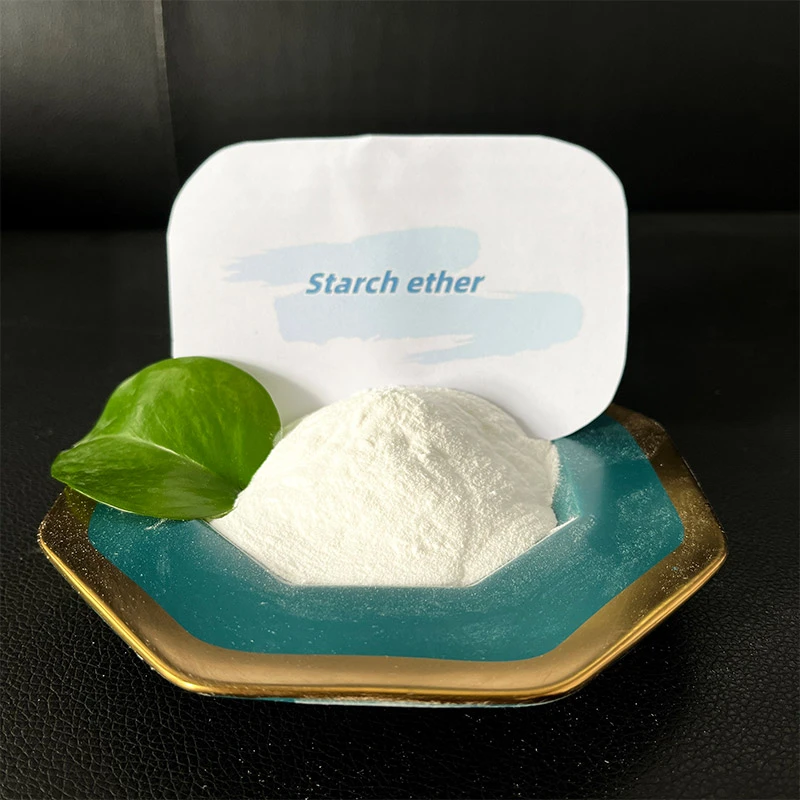
 usos_del_eter_de_almidon
Oct . 25, 2025
Redispersible emulsion powder is a vital ingredient in modern construction materials, offering numer -
 carbopol_powder
Oct . 25, 2025
In today’s fast-paced manufacturing and construction industries, the demand for sustainable and cost -
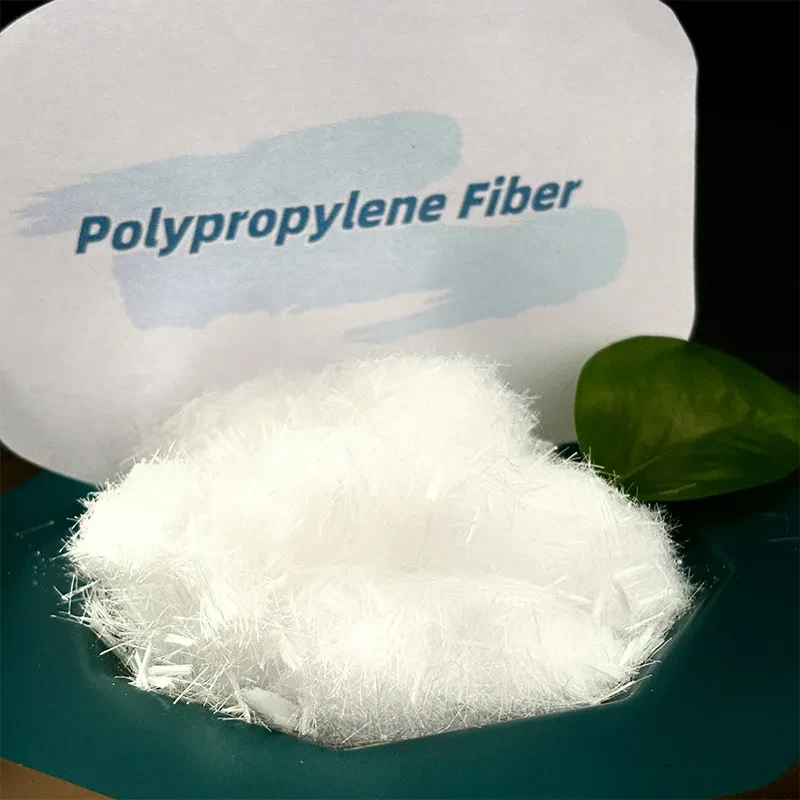 polypropylene_fiber_sheet
Oct . 25, 2025
Pentastarch is a frequently utilized colloidal solution that has sparked interest among medical prof


